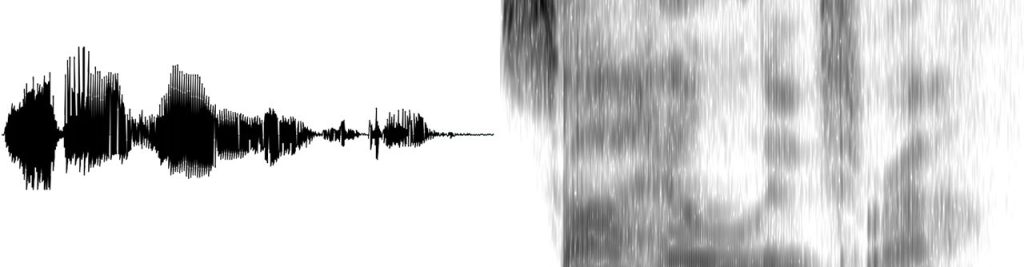
My research primarily focuses on the interface between language (especially speech) and cognition, motivated by the philosophy that the study of language can provide insight into the mechanisms underlying cognition and vice versa. Language processing draws upon myriad cognitive processes (e.g., attention, categorization, learning) and is scaffolded by the brain’s perceptual systems (e.g., the auditory system); as such, the study of language therefore necessitates a careful consideration of how each of these components may interact. My approach yokes behavioral experiments, computational modeling, neuroimaging, and neuromodulation approaches, motivated by a core belief that marrying multiple methodologies is crucial for developing a mechanistic understanding of language and cognition. My ability to link the study of language to the study of cognition is supported by my doctoral training on the neural and computational mechanisms underlying speech perception in conjunction with my post-doctoral training in auditory neuroscience, psychophysics and attention.
I am particularly excited by the broad societal impact that this research can have. From a public health perspective, for instance, approximately 46 million Americans suffer from some form of communication disorder, as per estimates from the NIDCD; one of my core long-term career goals is for my research to support the identification and targeted treatment of clinical and subclinical impairments that make language communication difficult for millions of individuals globally. Additionally, recent years have seen an uptick in the demand for foreign language instruction, whether in the classroom or via smartphone apps; as such, there has been a concomitant increase in demand for research on the best pedagogical approaches for language learning. Finally, artificial intelligence models of language have exploded in the last several years, from Siri to Alexa to ChatGPT; there is substantial public interest in improving the accuracy of these models as well as in eliminating problematic biases within them (e.g., in the range of accents that such models can understand and in the biases of language output produced by such models).
I aim to promote diversity, equity, and inclusion in all aspects of my work, working to achieve this in large part through efforts to make research more open and accessible. I have demonstrated my commitment to open science through public sharing of stimuli, data and analysis code and have pursued multiple formal and informal training opportunities in effective science communication to effectively engage with a wide variety of audiences.
To check out my publications (as well as stimuli, raw data, analysis code, and associated presentations), click here. For a list of recent presentations, click here.
Follow me on:
Google Scholar | Twitter | Open Science Framework | GitHub
Contact me at sahilluthra@cmu.edu.
 Sahil Luthra, PhD (he/him)